Copyright Basics for Saving Public Pinterest Media
A plain-language checklist for personal reference, attribution, permissions, and reuse.
Public does not mean unrestricted
Pinterest helps people discover media, but public visibility does not remove copyright. The photographer, designer, publisher, or brand may still control how the work can be copied, adapted, or republished.
Saving something for private reference is different from uploading it to your own channel, using it in an advertisement, or selling a derivative product.
Find the original context
Open the destination linked by the Pin and identify the original creator when possible. Read any license or usage statement. A Pin description is not always written by the rights holder, so treat it as a clue rather than final permission.
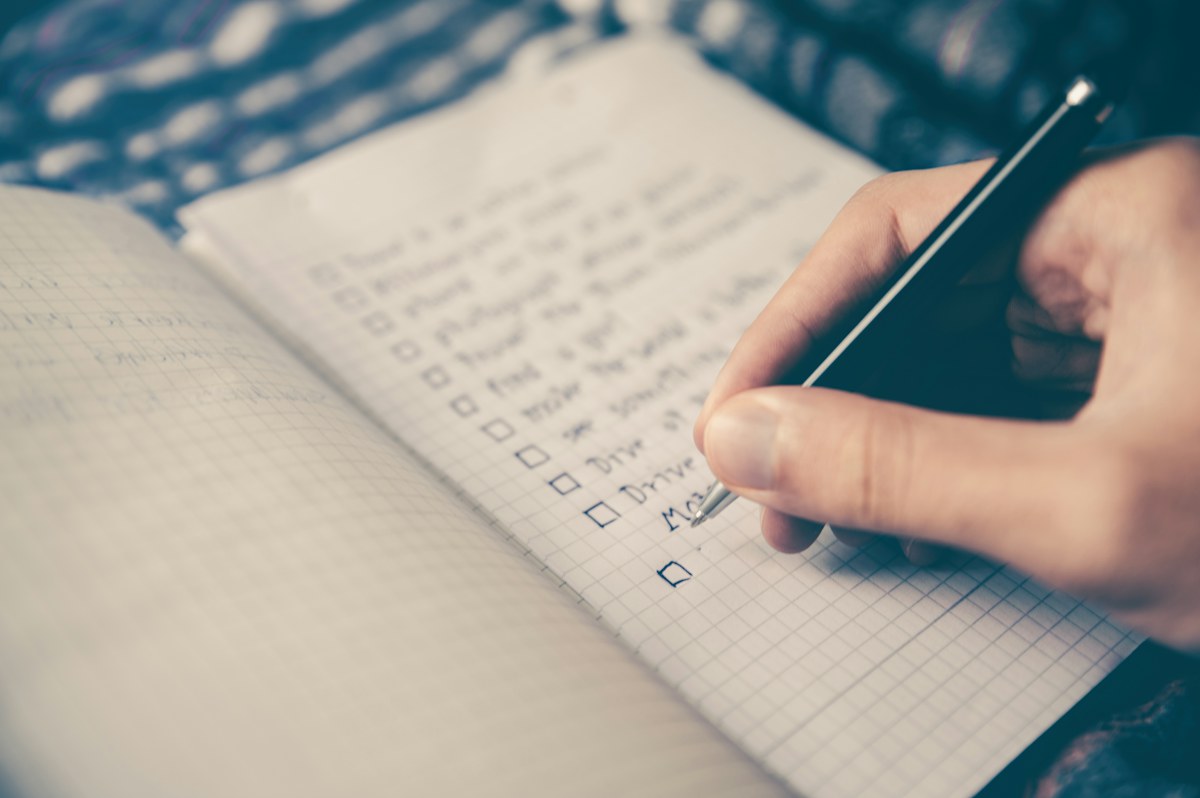
Record the creator, original URL, and license beside the downloaded file. This small habit prevents confusion later.
Ask when the use is public
If you want to publish, edit, monetize, or distribute someone else’s media, request permission or use content with a license that covers your intended use. Attribution is good practice but does not replace permission when permission is required. When the situation has legal or commercial risk, consult a qualified professional.